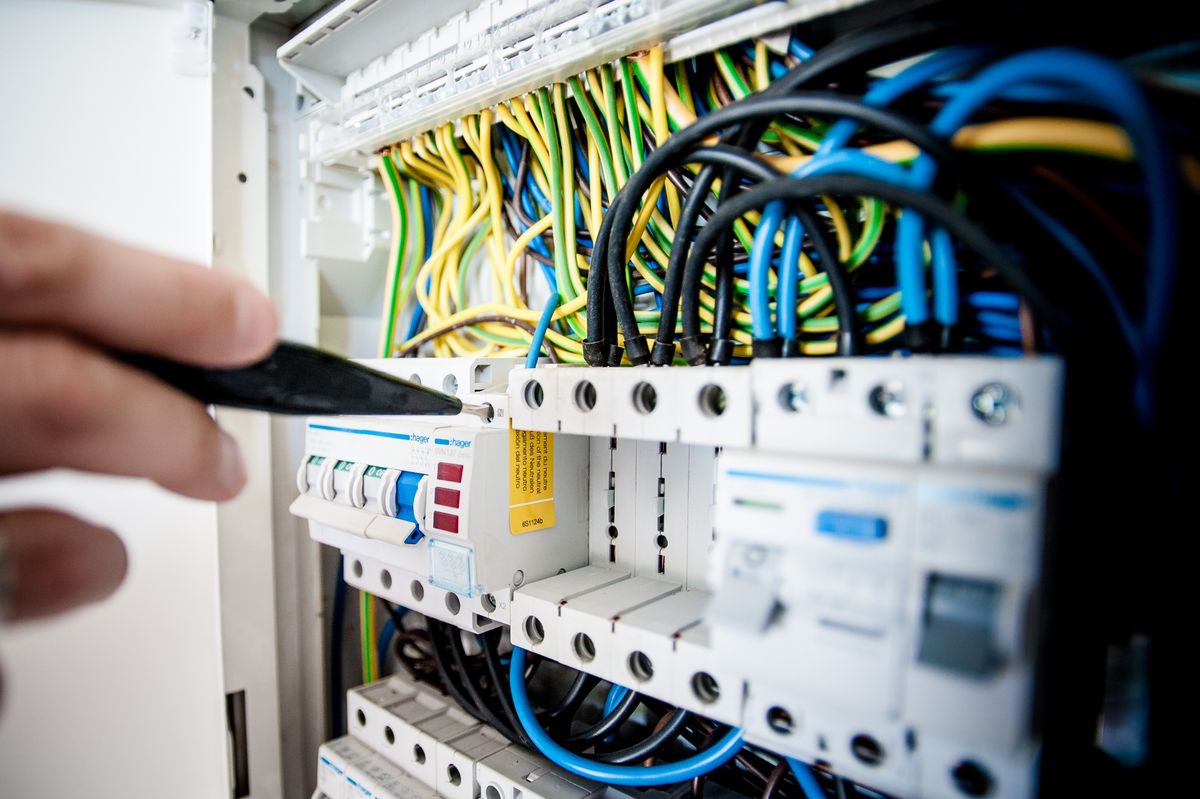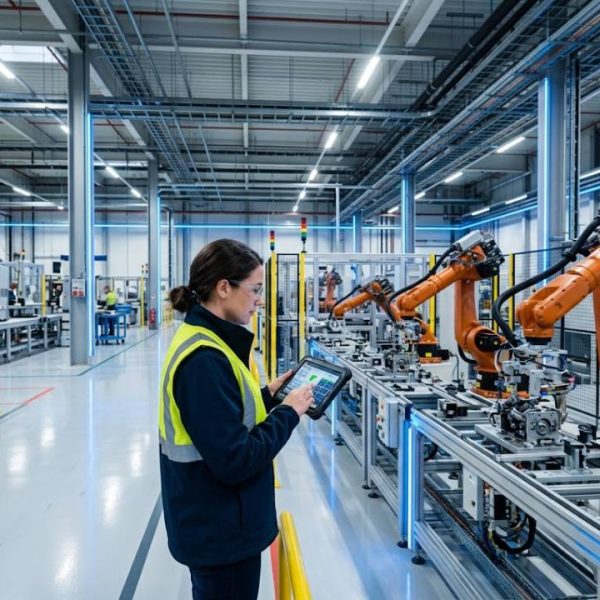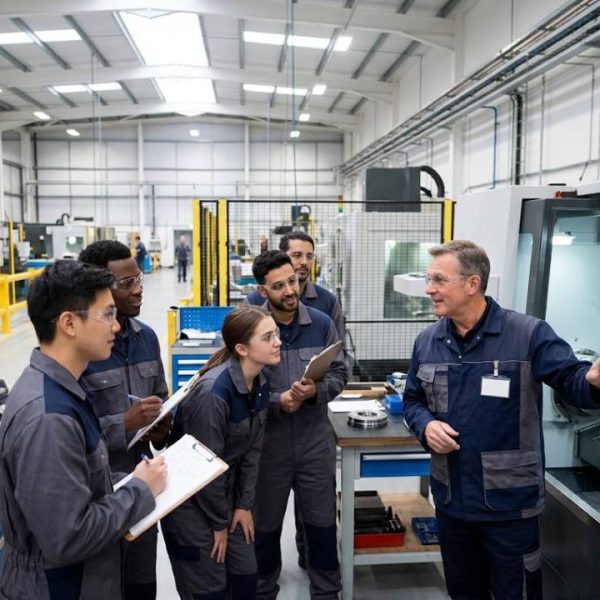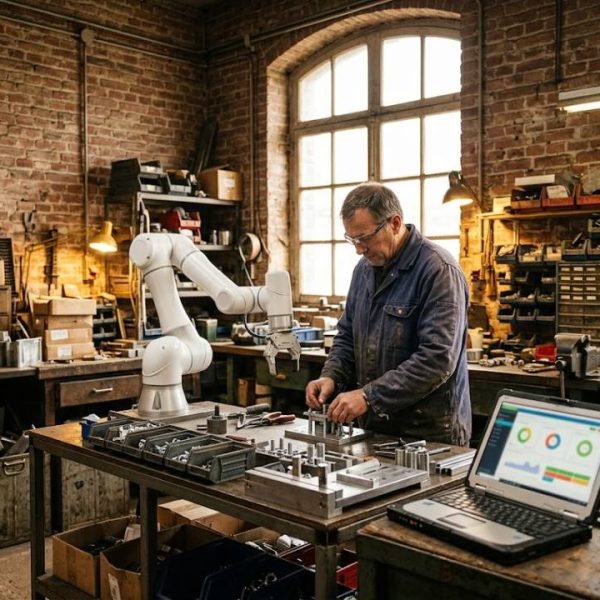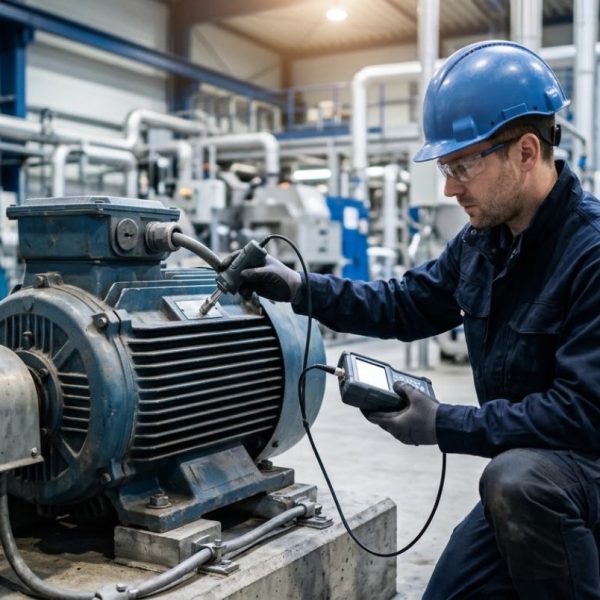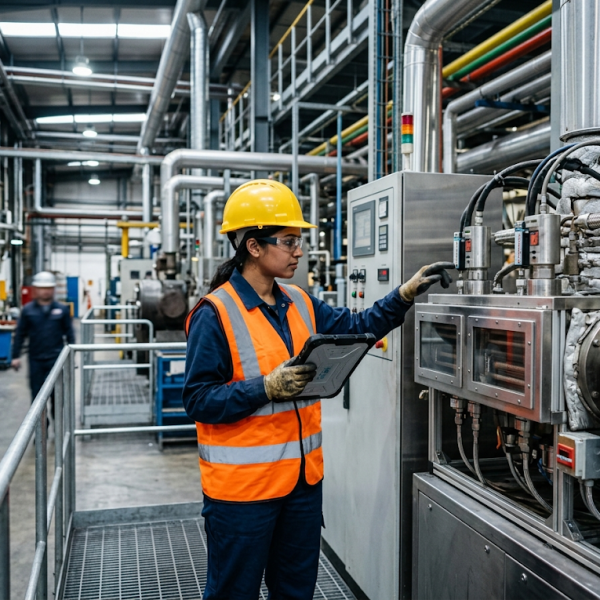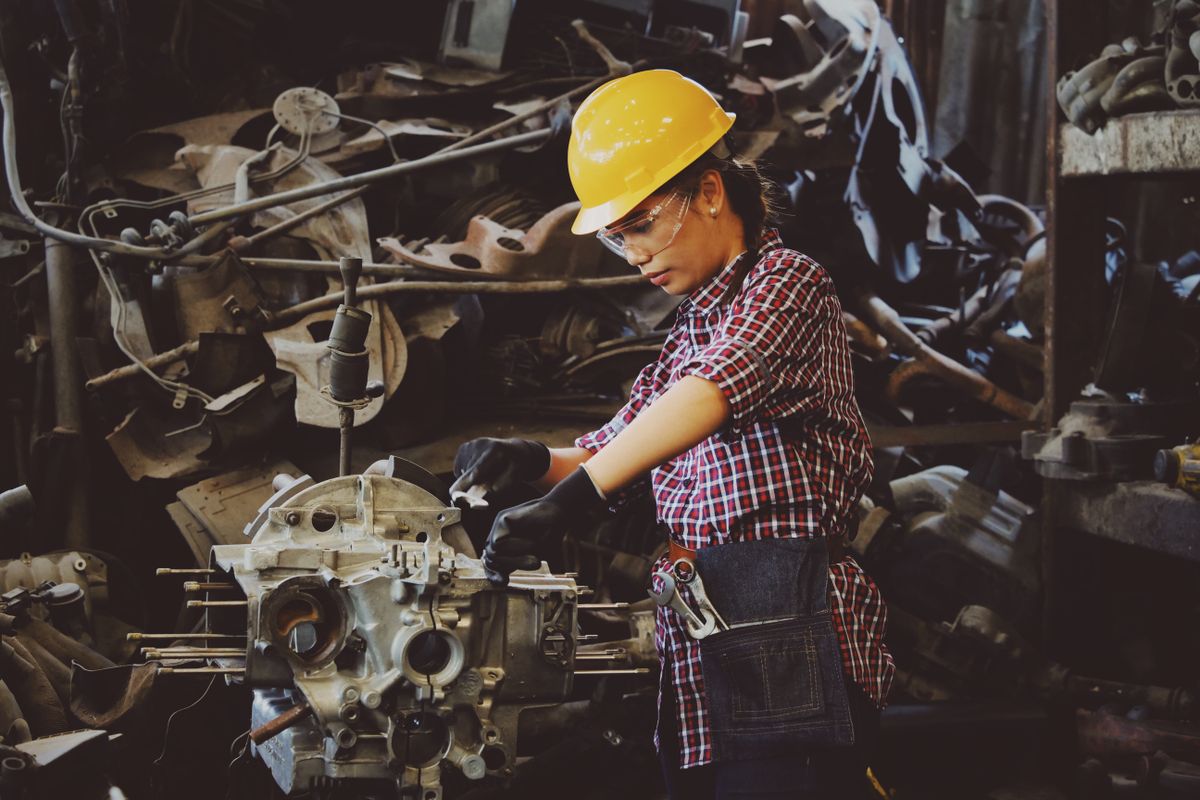
A maintenance technician on a night shift opens the manual for a new machine and finds a page of instructions that was translated word for word from a document written for another country and the warning that matters most sits inside a sentence that no one on the team can read with confidence. The line stops for an hour while a colleague phones a supervisor and the plant loses far more time than a careful review of the manual would have cost.
An operating manual is a bridge between the people who designed a machine and the people who must run it every day and that bridge only works when each step is written in words the reader actually understands. A plant with workers from several countries cannot assume that everyone reads the same language well enough to follow a technical instruction at speed.
Most companies treat manuals as a final box to tick before delivery and so they send the same text to every site without testing whether a new employee can follow it. The better habit is to ask a native reader who works in the field to follow the instructions on a real machine and note every sentence that makes them hesitate.
The good news is that clearer manuals do not require a large budget because plain sentences and consistent terms and a short review by someone who knows the equipment solve most of the problems. A small checklist before each release keeps the same words in the same place and prevents the confusion that appears when one part has three different names.
This article explains how an industrial company can prepare manuals and training notes for international teams and it covers what to translate first and how to handle a few common languages and where to find public guidance on workplace standards. It does not replace official safety rules and it gives no engineering advice about any particular machine.
Start With the Instructions People Use Every Day
The first pages to translate are the ones that operators read at the start of every shift such as start up steps and daily checks and basic warnings because errors in those pages have the highest cost. Plants that employ workers from the Balkans often order Serbian translation services for their daily checklists so that every operator can follow the same routine in the language that feels most natural. Serbian translation services work best when the English source uses short plain sentences and avoids idioms that have no direct match.
Many engineering teams now use ai platforms to draft first summaries of long manuals and then ask a technical reviewer to check every figure and every unit before the text reaches the floor because a fluent sentence can still hide a wrong number.
Plan Each Language Before the Machine Ships
Polish translation services are a sensible choice for a plant with technicians from Poland because many of them work abroad on installation projects and expect to find the same terms in the manual that they learned during their training. Polish also changes word endings according to grammar and this means that a label for a part or a unit must use the right form or the page will look careless to a skilled reader.
Each language needs its own short checklist that covers part names and units and warning words and abbreviations so that nothing in the manual changes meaning between languages and Polish translation services should follow the same list. Czech translation services follow the same method for sites with Czech technicians while Bulgarian translation services help plants that train workers who read a different alphabet and a native reviewer can check that every term sounds natural in the workshop.
Do Not Overlook the Smaller Languages
Many teams treat the Romanian language as a minor request even though Romania supplies a large number of skilled technicians and engineers to factories across Europe and many of them prefer to read instructions in their own tongue. A manual that offers the Romanian language for its first chapters can reduce the number of questions that reach a supervisor during a shift. Our guide on AutoCAD DWG files shows how technical drawings need the same care as written text and for guidance on safety and health at work the EU OSHA site publishes useful material.
The Romanian language also uses special letters that break in some fonts and in some equipment displays so every label and every screen text should be tested at its final size and checked letter by letter before it goes live. Czech translation services and Bulgarian translation services meet similar challenges with their own characters and the IEC website explains how international standards help teams use the same technical language.
Keep One Glossary for the Whole Plant
A short glossary of the technical terms that appear in manuals such as sensor and valve and alarm and maintenance should be written before the next release so that every translator uses the same word for the same part. Engineers and technical writers and the person who trains new staff can share it so that the message stays consistent in every language and a one page version pinned in the control room will be read far more often than a long file.
Reviewing the glossary every quarter lets the team add the questions that technicians actually asked and a reviewer who knows Serbian translation services and the Romanian language can update the list so that the words stay accurate and clear. Polish translation services and Czech translation services and Bulgarian translation services can follow the same list and over time it becomes a small asset that the company can reuse whenever it opens a new site.
A manual that speaks to each technician in a language they understand saves time on every shift and that quiet efficiency is what keeps a modern plant running smoothly from one day to the next.